


Effective Over-The-Counter Non-Burning Disinfectants for Wounds and Burns
Updated: Jul 11

When treating wounds or burns, one of the biggest concerns is preventing infection without causing additional pain or irritation. Many common disinfectants sting or burn upon application, which can be distressing, especially for sensitive skin or large affected areas. This raises an important question: Is there a non-burning disinfectant for wounds or burns? The answer is yes, and understanding these options can improve healing and comfort during recovery.
Fortunately, there are gentler, non-burning options that clean wounds effectively without causing unnecessary pain.
The three most commonly recommended are saline, chlorhexidine, and povidone-iodine, each with a different role in wound care.
How to Select the right product for your wound or Burn
1. Sterile Saline (Gentlest Option)
A product like Simply Saline Wound Wash is one of the safest and most comfortable ways to clean a wound.
Benefits:
No stinging or irritation
Safe for sensitive skin and children
Helps flush out dirt and debris
Key Difference:Saline cleans but does not disinfect, meaning it doesn’t kill bacteria. It’s best used as the first step before applying an antiseptic if needed.
2. Chlorhexidine (Best for Preventing Infection)
Hibiclens Antiseptic Skin Cleanser contains chlorhexidine, a widely used antiseptic in medical settings.
Benefits:
Kills bacteria effectively
Minimal burning compared to alcohol
Long-lasting antimicrobial effect
Key Difference:Chlorhexidine disinfects without being harsh, making it ideal for preventing infection in minor cuts and abrasions.
Note: Avoid use near the eyes or ears.
3. Povidone-Iodine (Broad Coverage Option)
Products like Betadine Antiseptic Solution provide broad antimicrobial protection against bacteria, viruses, and fungi.
Benefits:
Wide-spectrum germ protection
Useful for wounds with higher infection risk
Effective for burns and minor injuries
Key Difference:Povidone-iodine is stronger than chlorhexidine in coverage but may cause mild irritation in sensitive skin.
How to Choose Between Them
For gentle cleaning: Use saline
For everyday infection prevention: Choose chlorhexidine
For higher-risk wounds or burns: Use povidone-iodine
Do Not Forget To Protect
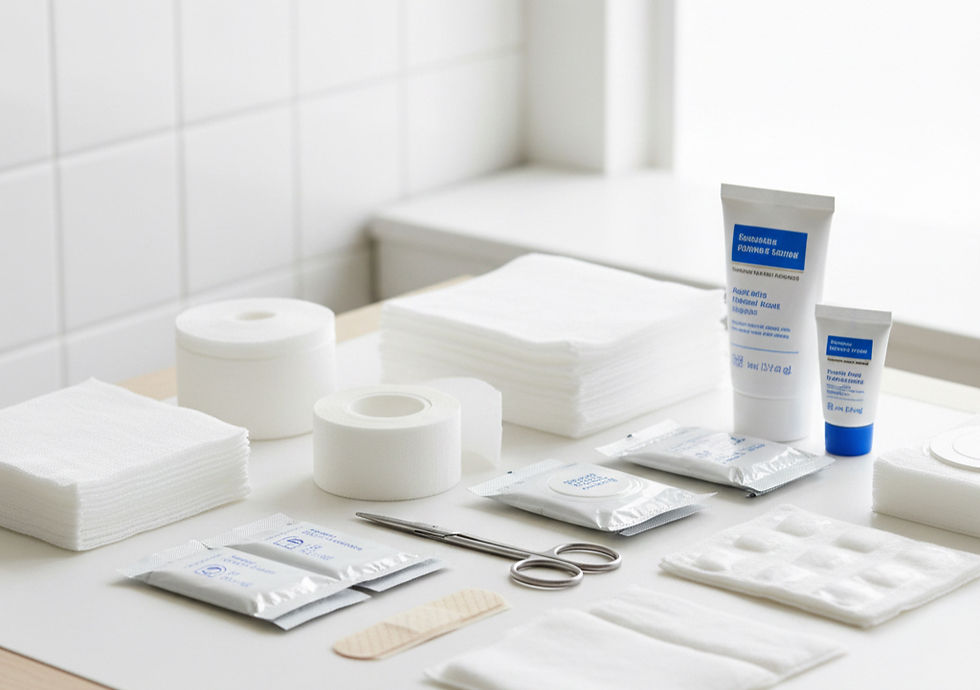
Proper coverage helps prevent infection and supports healing. Consider non-occlusive covering such as Curad Sterile Gauze Pads to help absorb fluid, protect against dirt and bacteria, and allow airflow.
For more sensitive wounds, a non-adherent option like Non-Adherent Pads is helpful since it won’t stick to the wound and reduces pain during dressing changes.
To keep the dressing in place, use a gentle adhesive like Nexcare Medical Tape, which is flexible and skin-friendly.
Final Takeaway
You don’t have to use painful disinfectants to properly care for a wound.Using the right option—saline for cleaning, chlorhexidine for prevention, and povidone-iodine for broader protection—can help you heal comfortably and safely.
Found OTC offers smart over-the-counter solutions to many common self-managed conditions with pharmacist guidance.
Pharmacist Reviewed: the information in this article was clinically reviewed by Samer Altameemi, a licensed pharmacist. It is intended for educational purposes, not to substitute for a doctor's professional medical advice.
Disclosure: some links in the above article are affiliate links where we might earn a small commission at no extra cost to you.
